Kilbarrack Cemetery
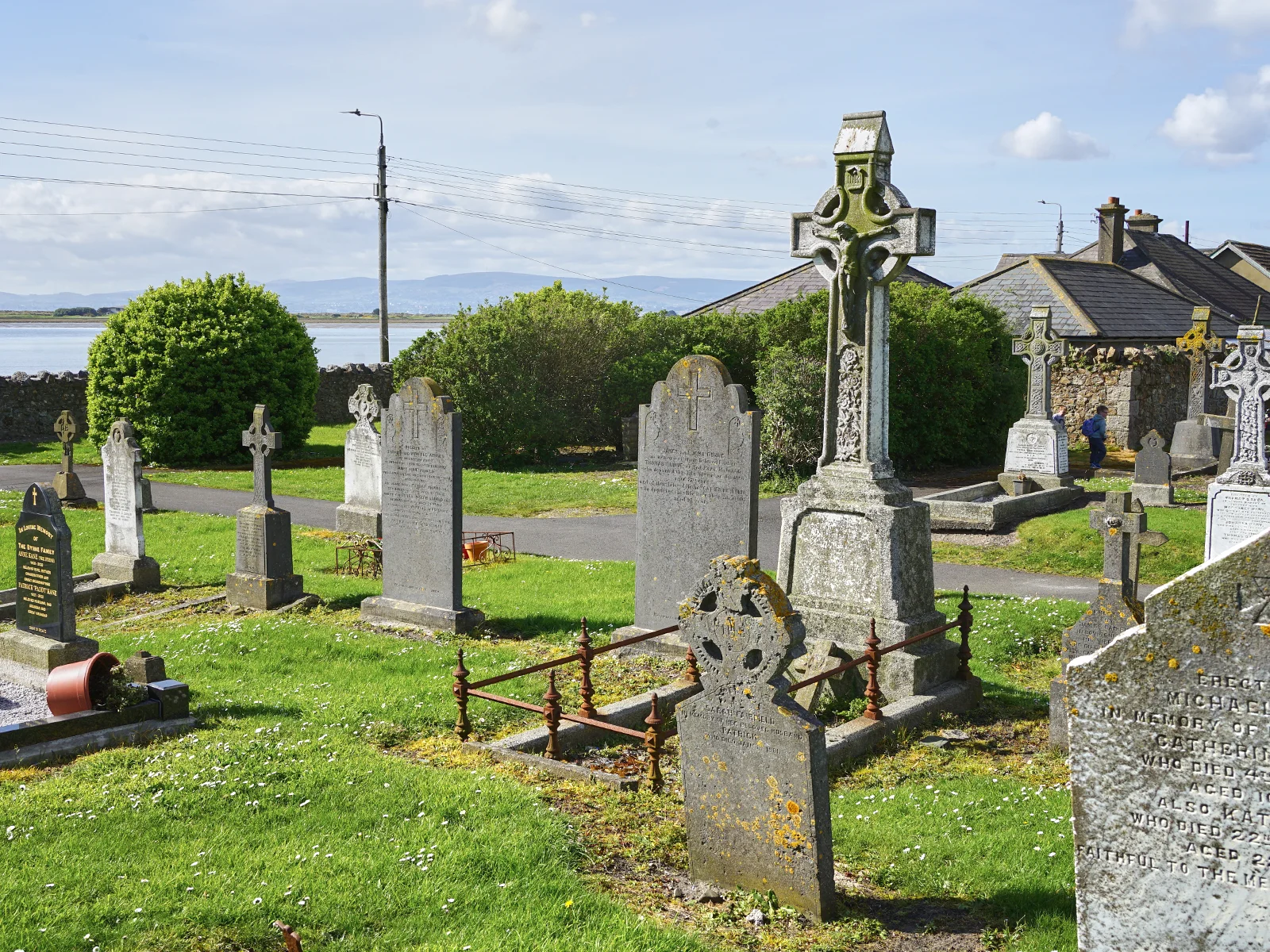
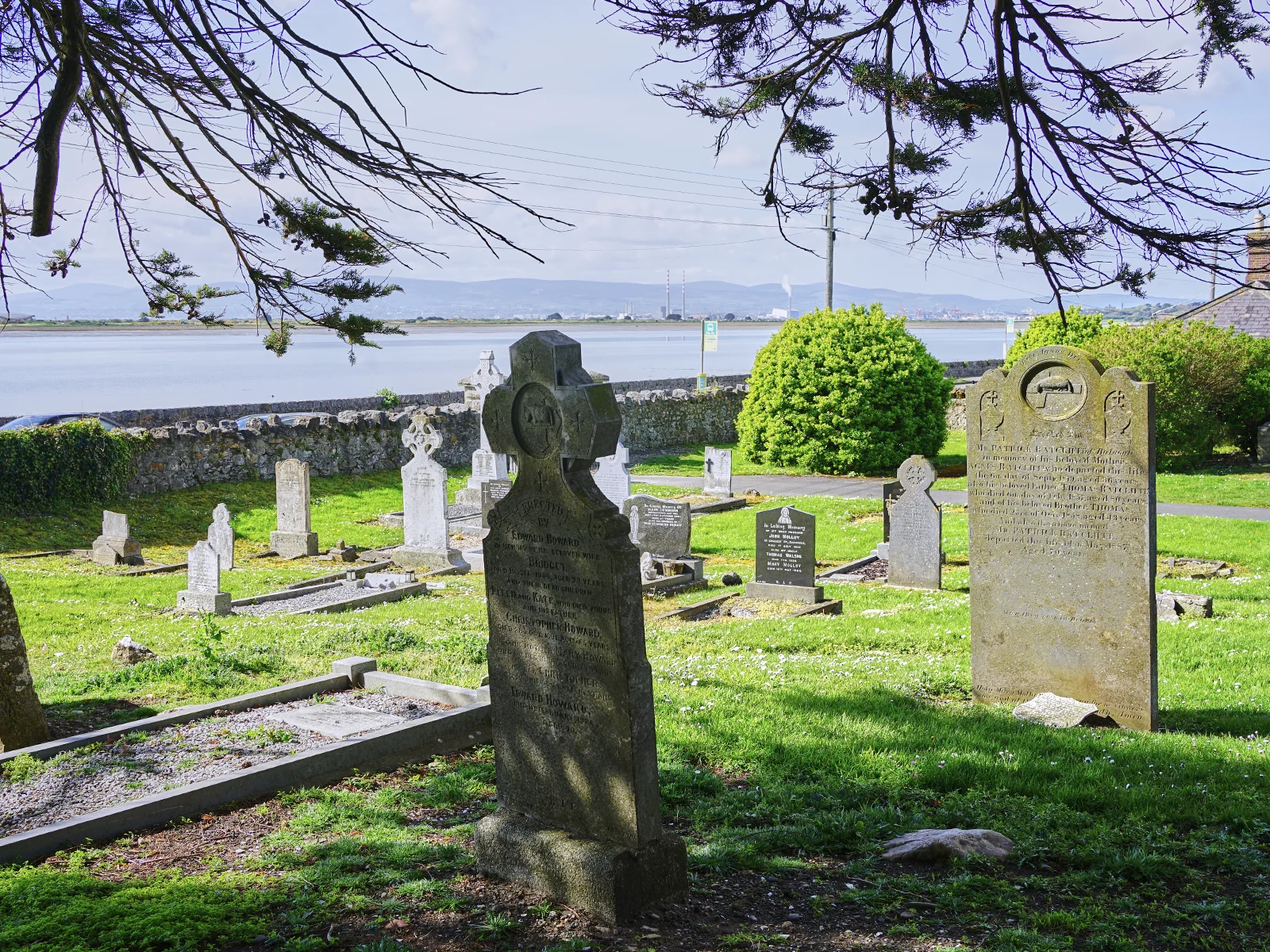
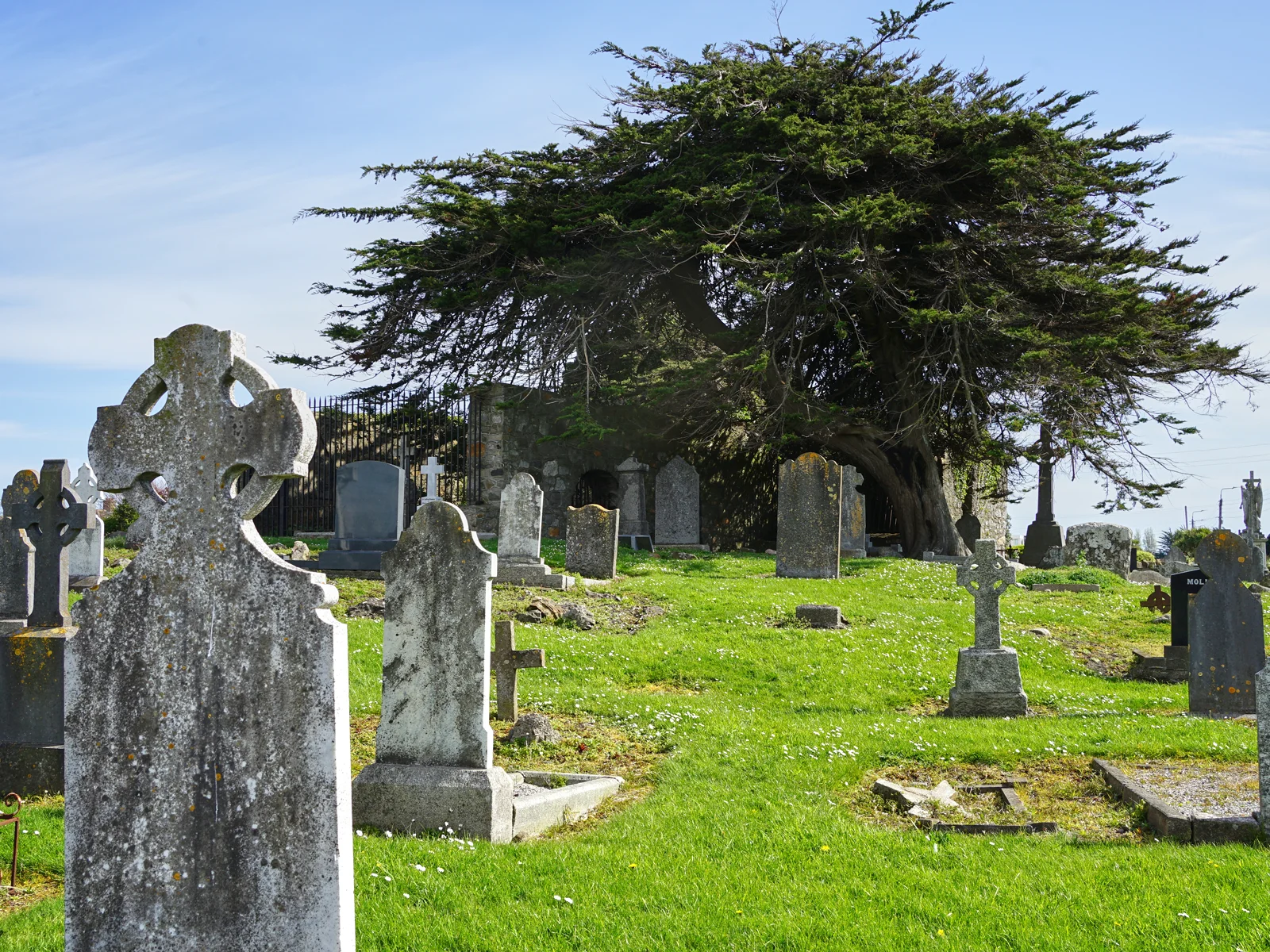
Kilbarrack Cemetery is located on the north side of the R106 overlooking the strand and Bull Island. This cemetery is 6 miles from Fairview Park on the coast road to Howth. It is situated on the grounds of an old church and is still active. The site is reportedly an early medieval foundation though the upstanding archaeological remains at the site are late medieval in date.
Historical Context
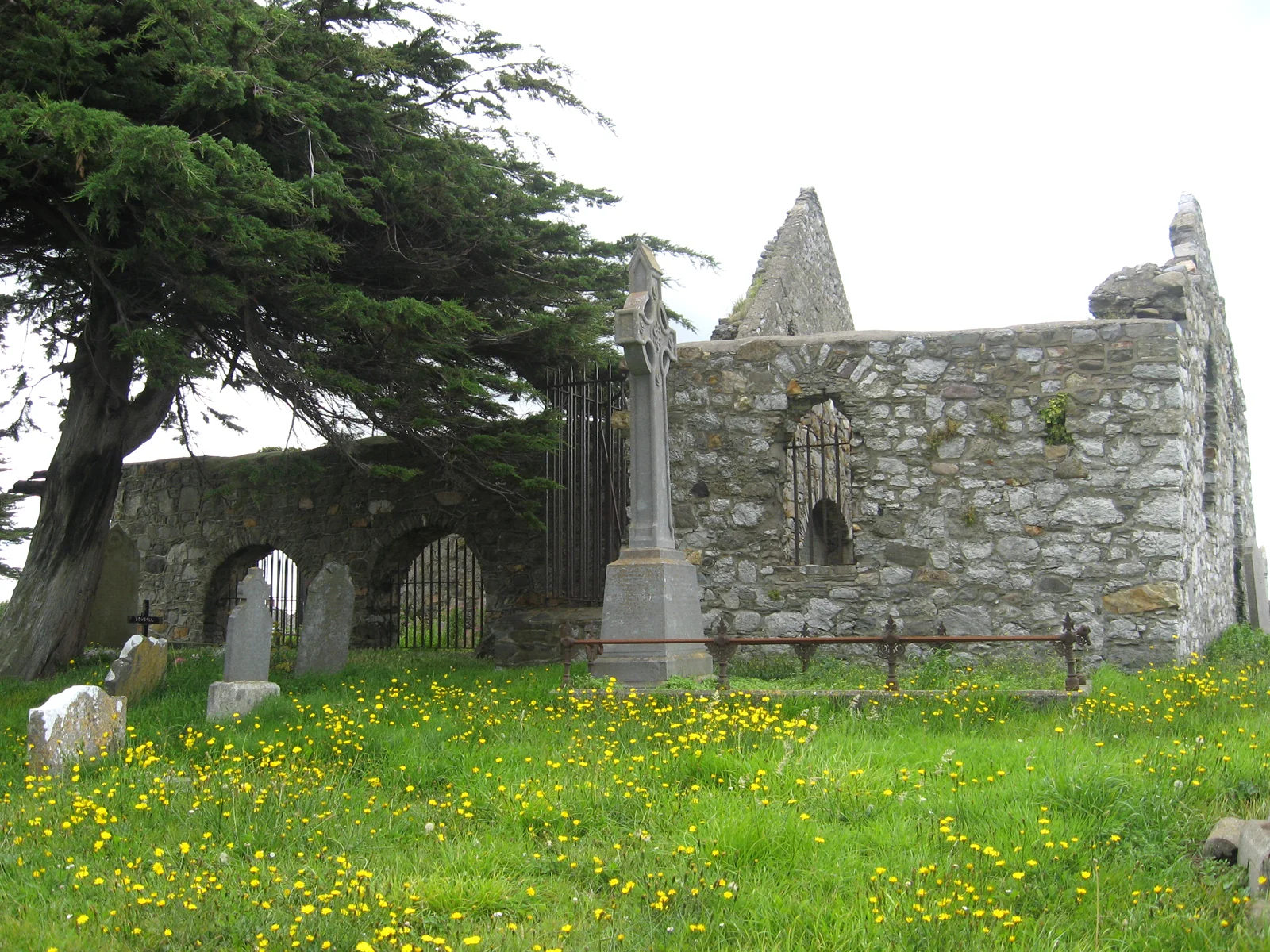
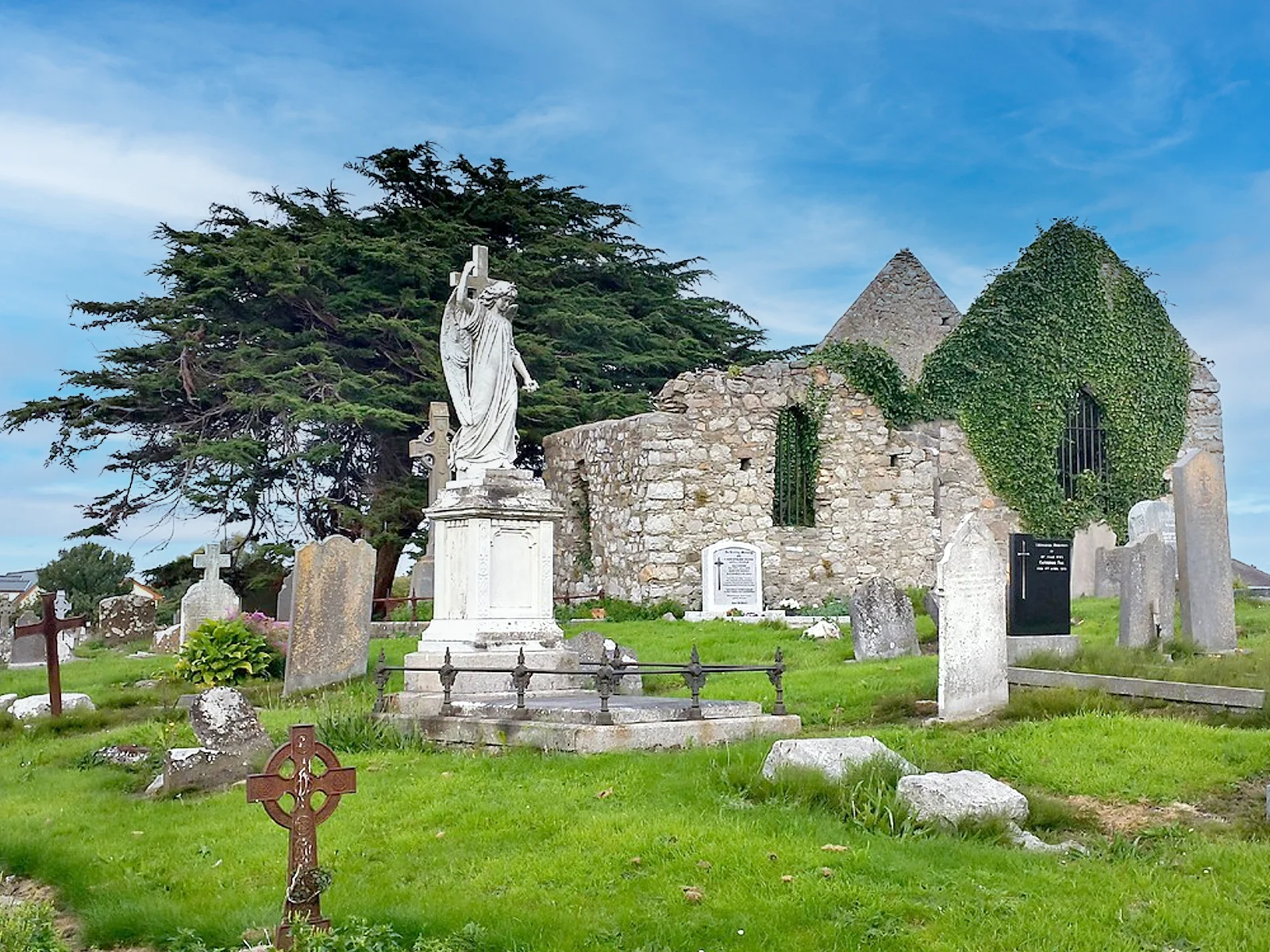
Kilbarrack is reported to be the site of an early church, founded by St. Berach, in the 6th century AD. Today, one can see the ruins of the Chapel of Mone commonly known as the Abbey of Kilbarrack, part of which dates from the late 12th to the early 13th century. This was used as a votive chapel of the mariners who frequented Dublin Bay. To the north of the church is a well known as St. Berach’s Well, which was noted for its curative powers for eye ailments.
The graveyard was built on the strand near the great sandbank named the North Bull and at one stage did not have a fence or boundary walls. An area of three acres is now contained by a relatively recent wall, most of which is constructed of limestone. Other memorials were recorded in the past, such as one dating to 1654, but are no longer visible and may have sunk.
Archaeological and Architectural Features
The remains of the church are located on a prominent rise in southeast corner of graveyard and consists of the upstanding walls of the nave and chancel of the church except for the west gable. It is constructed of limestone and sandstone with much evidence of rebuilding. There is a pointed arched window to east end. The interior has been much used from burial. There is a small two-bay, single storey cottage in the northeast corner of the graveyard.
General Description
Sub-rectangular graveyard bounded by limestone and sandstone squared rubble wall with coping. There is a cast-iron gates to the southern boundary. There are extensive views to the south. The graveyard has been extended to the north.
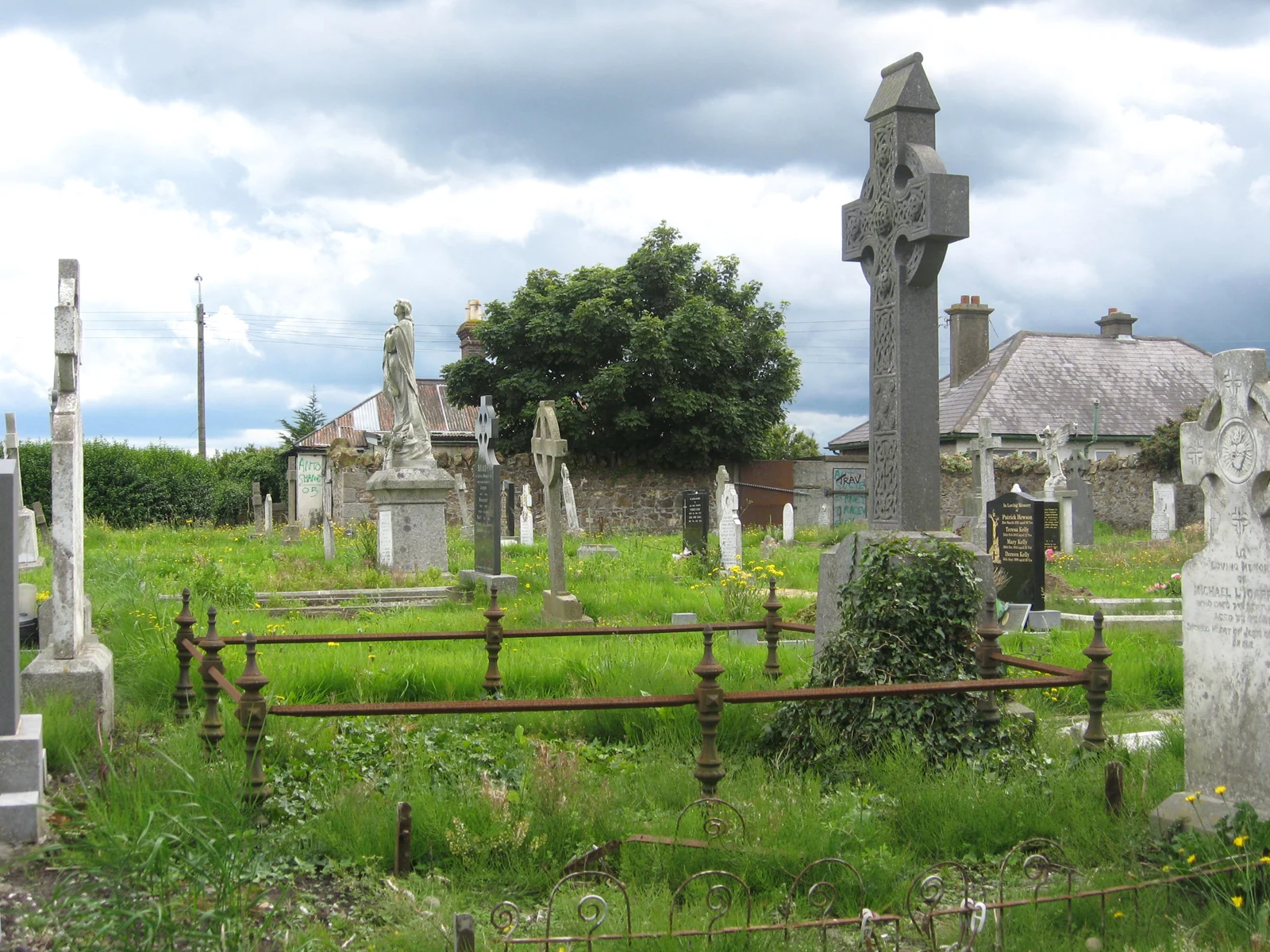
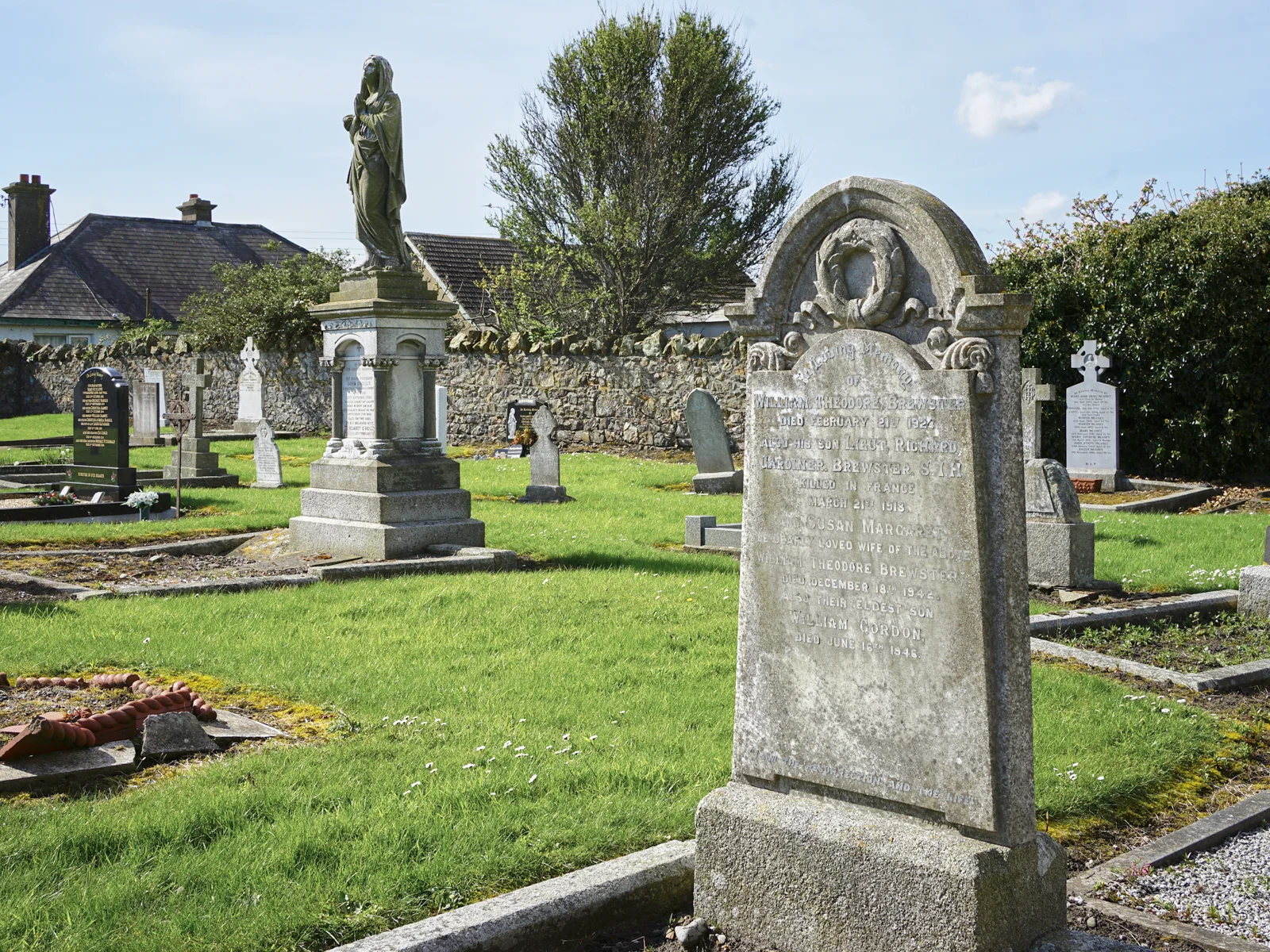
The graveyard contains inscribed grave markers from the mid-17th, 18th, 19th, 20th and 21st centuries. The oldest grave markers are clustered on the higher ground around the church. The majority of the old slabs are limestone with curved tops and are decorated with IHS motifs with sunbursts. One example has a skull carved on either side of the IHS motif. There is a railed plot with a Celtic Revival cross to the northwest end of the church and a number of similar plots within the interior of the church. There are First World War memorials to the northwest of the church. These commemorate "20 Private M. E. Brady 8th BN. Canadian Inf. 17th November 1915" and "350X Private F. E. Brady Leinster Regiment 1st November 1915" and are standard military style headstones.
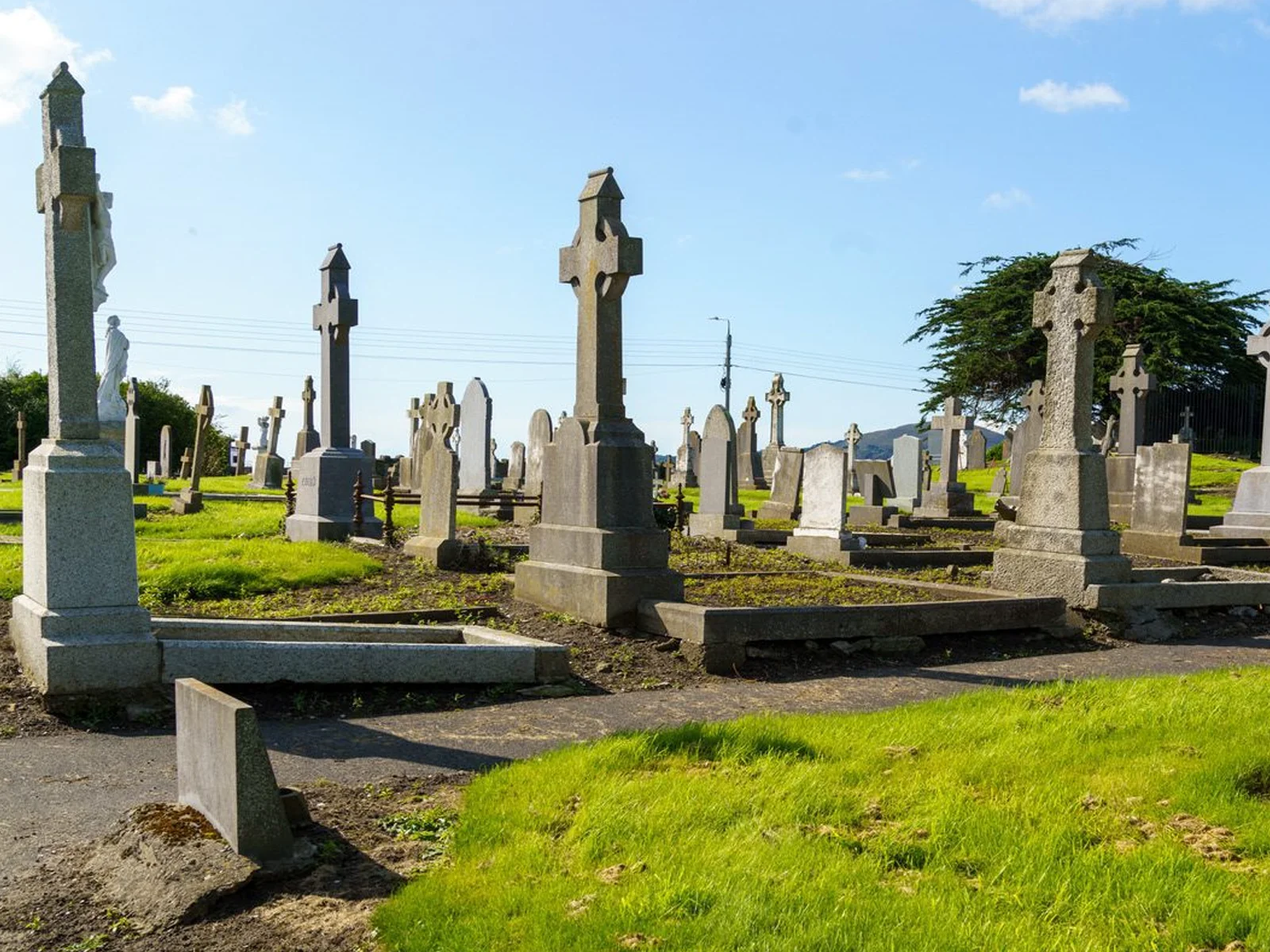
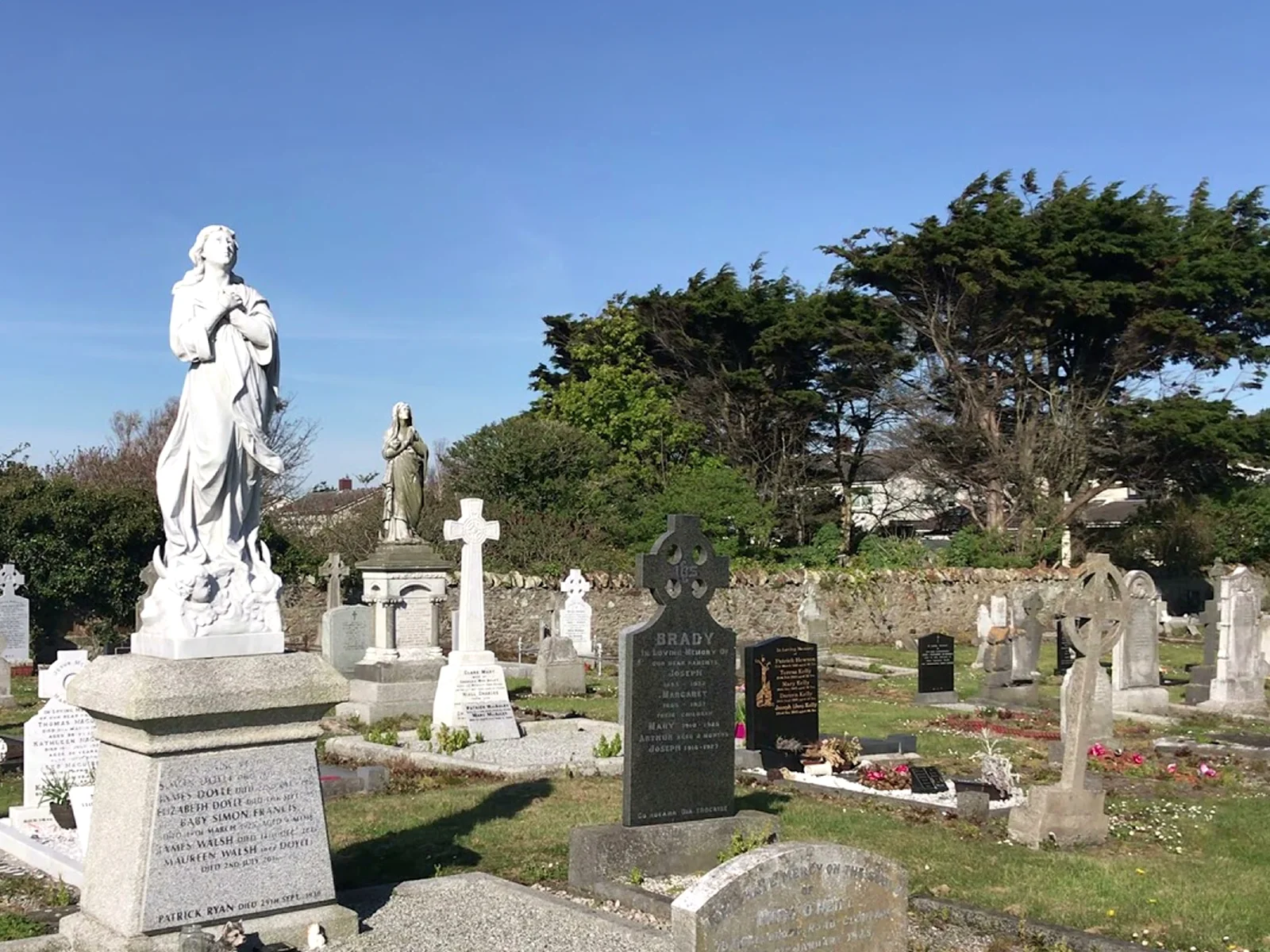
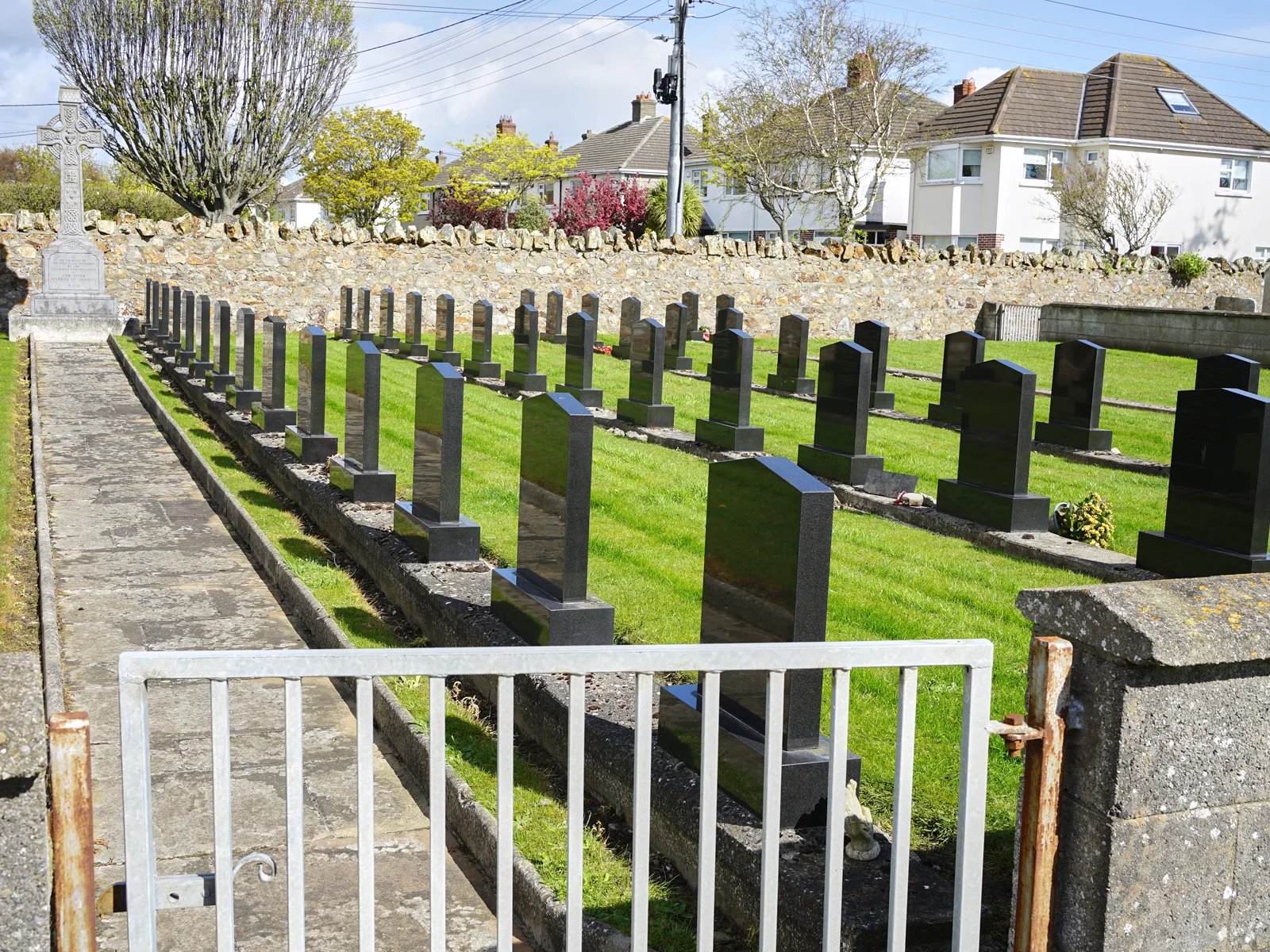
The modern grave markers are concentrated to the south and east of the church and consist of headstones and free-standing crosses of limestone, granite and marble markers with some cast-iron crosses. They are predominantly east-facing. The northwest corner contains a square enclosure containing burials from a convent. There is a well-executed late 20th century headstone to the east of the church. It is limestone with a curved top and is decorated with foliage and is inscribed as follows "Remember Bernard "Bernie" Brennan 22nd October 1938 - 1 October 1991.
The earliest memorial visible today is dedicated to one Howard and dates to 1654. Several notable figures have been laid to rest in Kilbarrack including; Francis Higgins (1746-1802), Eoin Mac Neill (1867-1945), James Mac Neill (1869- 1938) and members of the Sweetman family who were brewers. John Sweetman (1752-1826) of the united Irishman was also buried here. His memorial plaque reads: "John Sweetman/ United Irishman/1798/ is interred by/ RIP/ Erected by the National/ Graves Association. In his memory".
Fingal County Council is responsible for this cemetery and its records.
Surveys: Surveyed by FAS, copies of the survey in Fingal Local Studies Library and Archives.
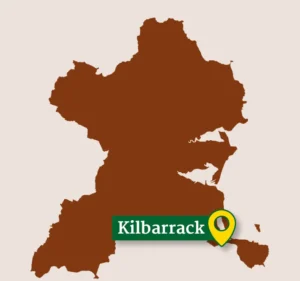
Directions to Kilbarrack
Tip: directions will open in a new tab. You may need to enter your starting location manually.